The Psychology of Small Change: Why That Loose Coin Matters
How many times have you tossed coins into a drawer, left them in your pocket, or even ignored them at the shop counter? To most of us, small change feels useless—like it doesn’t really matter. But here’s the truth: those little coins shape how we think about money, and they can make or break your savings over time.
Why Small Money Feels “Invisible”
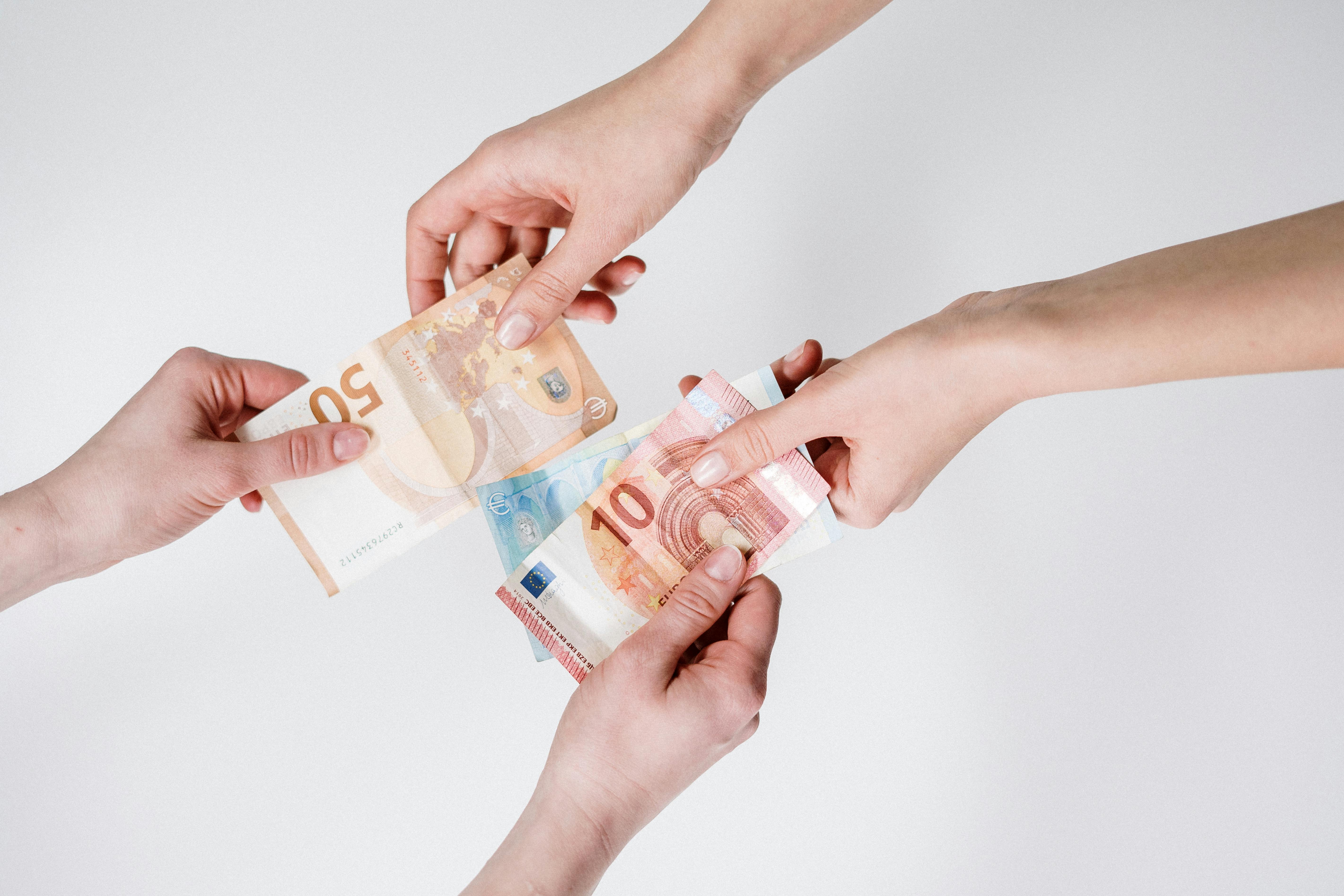
Psychologists call it the denomination effect. When money comes in smaller denominations—like coins or UGX 1k notes—we treat it as less valuable, even though it adds up to the same total as bigger notes. That’s why it’s easier to spend UGX 2,000 in coins than to break a UGX 50,000 note.
It’s not that the coins are worthless—it’s that our brains trick us into ignoring their power.

The Hidden Power of Loose Change
Here’s the reality check: if you save just UGX 1,000 daily (the price of a soda), you’ll have UGX 30,000 at the end of the month. That’s a full week’s transport or groceries for some households. Multiply that by a year, and suddenly those ignored coins equal UGX 365,000—almost a new smartphone!
When you respect small change, you respect your money. And when you disrespect it, you silently leak cash without realizing it.
How to Turn Small Change Into Big Wins
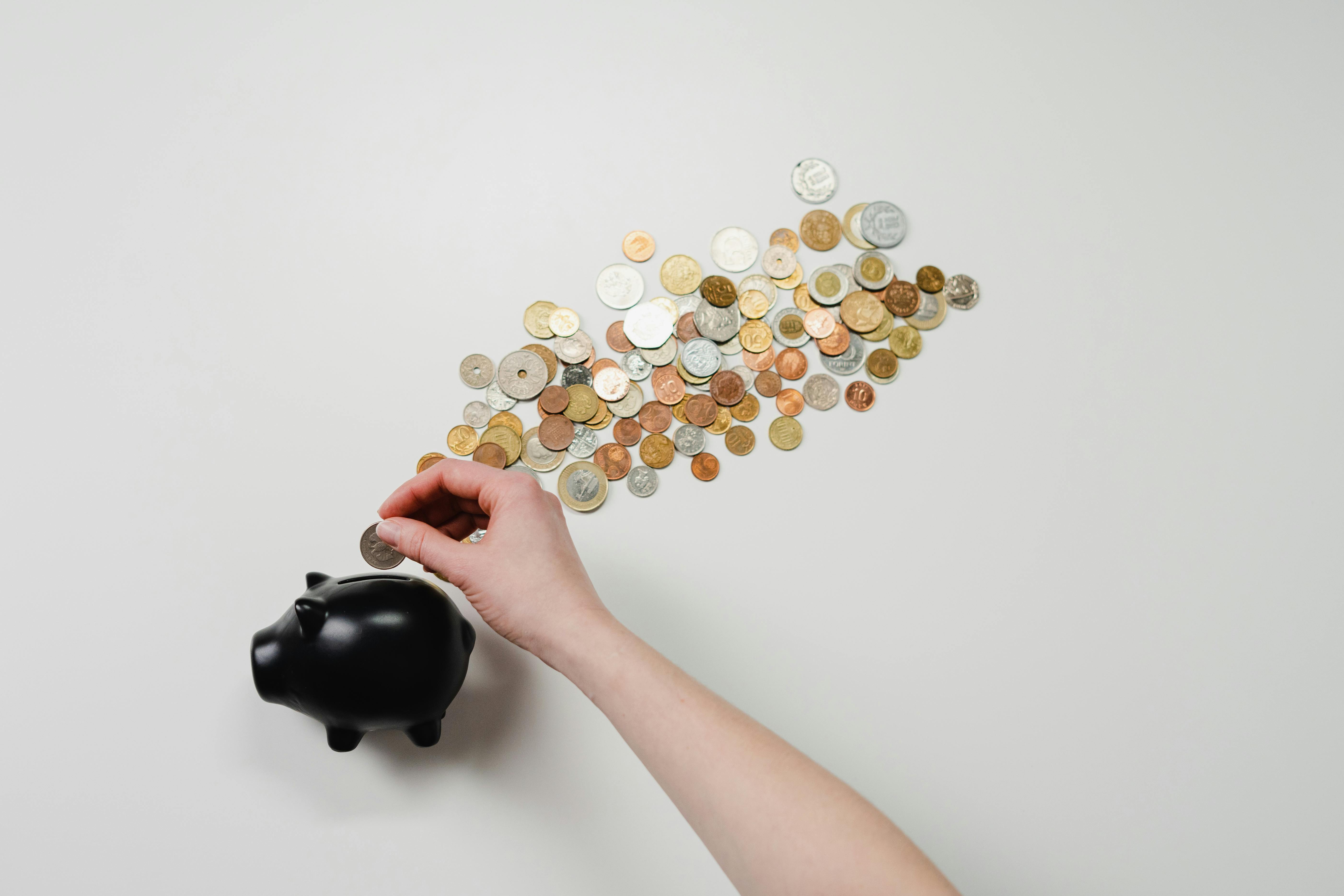
- Keep a coin jar: Make it a rule—any loose coins at the end of the day go in. Watch it fill up.
- Pay small bills with coins: Instead of breaking notes, use your coins for transport or snacks.
- Challenge yourself: Track how much “small” money you collect in a month. The results will surprise you.
- Go digital: If you’re using mobile money, round up and transfer the extra to savings.
It’s All About Mindset
Money isn’t just math—it’s psychology. If you treat UGX 500 like nothing, you’ll always find yourself short at the end of the month. But if you give it value, it stacks up into something meaningful. That’s the secret of the financially disciplined: they respect every coin.
So the next time you get small change, don’t ignore it. Think of it as a seed. Alone it looks tiny, but over time it grows into something you’ll be proud of.
Final Thoughts
Loose change is more than just coins—it’s a test of how you handle money. Respect the small, and the big will follow. Try this week: instead of tossing your coins, track them. At the end of the week, count and see how much “invisible money” you actually had.
Want more money insights? Check out our other guides on saving tricks, cash vs mobile money, and tracking small expenses.